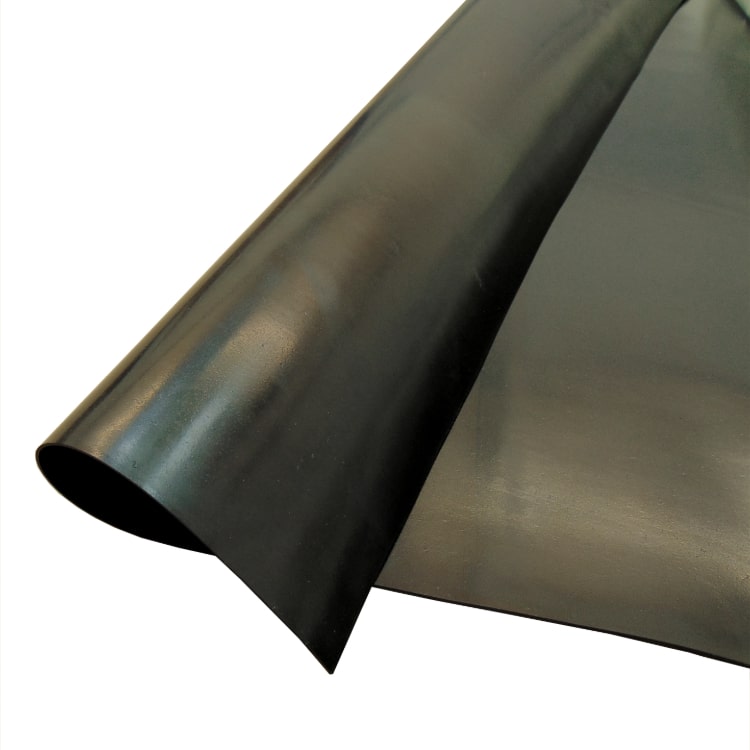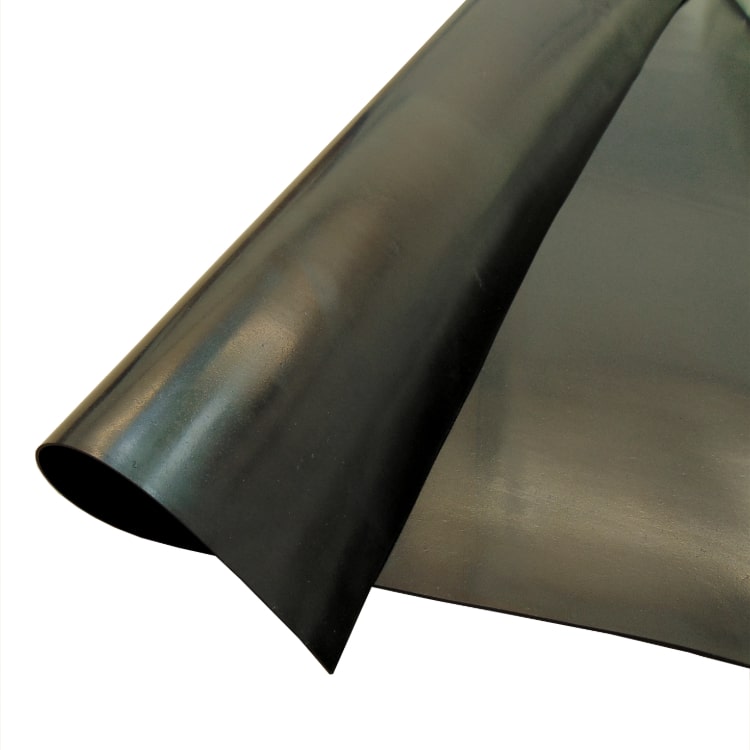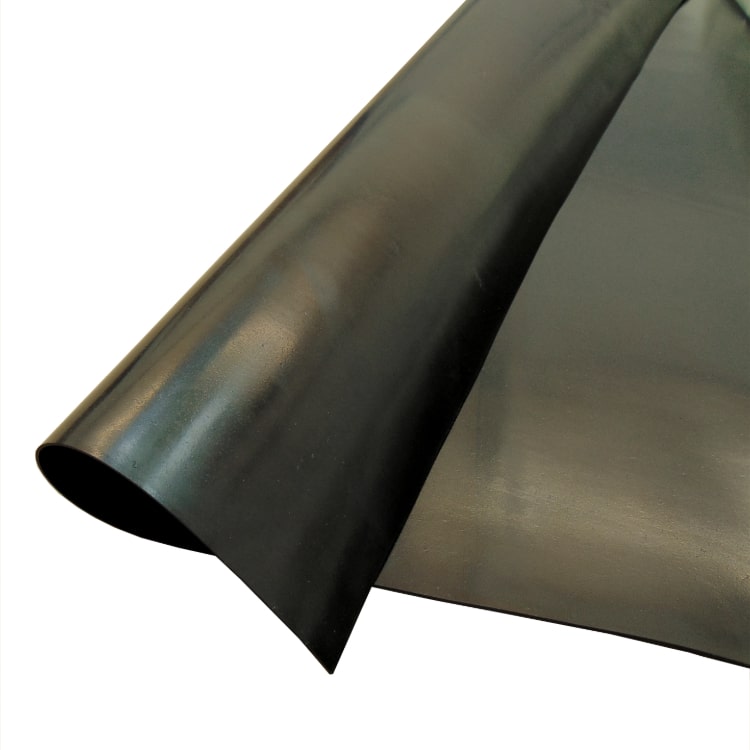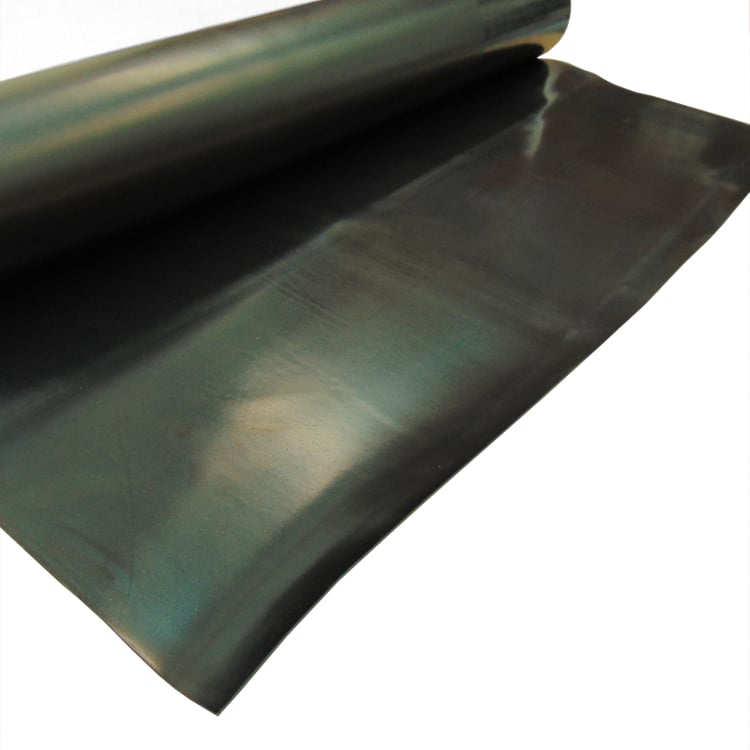
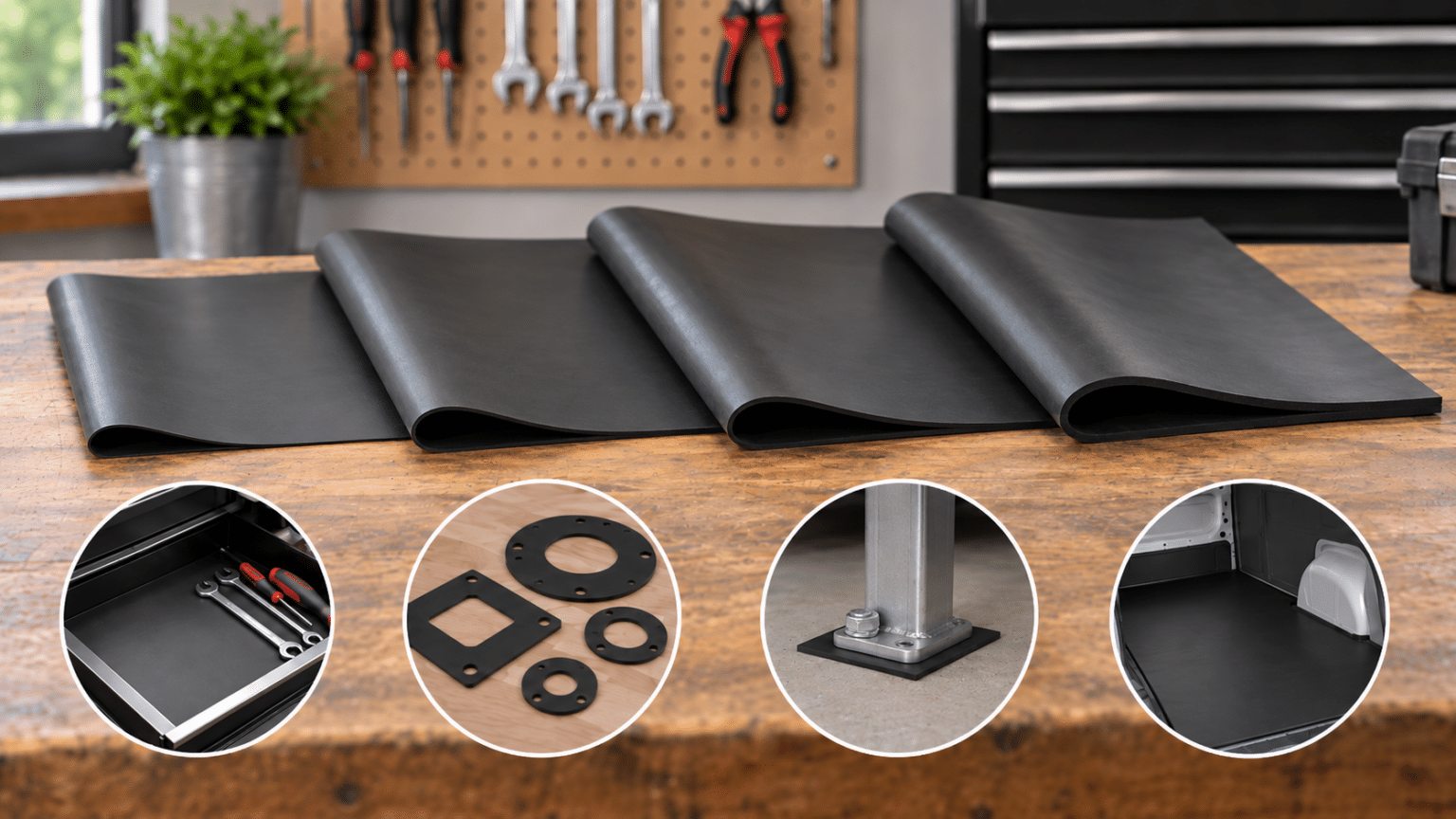
Choosing the right rubber sheet thickness can make a big difference to how well it works in your project. A thinner sheet may be ideal where flexibility is important, while a thicker sheet can provide more cushioning, protection or separation between surfaces. At The Metal House, our 1-metre-wide neoprene rubber sheet is available in 1mm, 2mm, 3mm and 4mm thicknesses. Each option can suit different jobs, so it is worth considering how the sheet will be used before ordering.
Rubber sheet is a versatile material that can be cut and shaped for many different applications. The black rubber sheet stocked by The Metal House can be used for sealing, cushioning, noise reduction and surface protection. It can also be used to make simple gaskets and anti-vibration pads for vehicle, engineering, DIY, agricultural and general workshop projects. Typical applications include tool box liners, draught excluders, anti-slip linings, storage compartment protection, bench covers, protective coverings and general-purpose rubber matting. The correct thickness will depend on whether flexibility, cushioning, sealing or durability is the main priority.
The difference between 1mm and 4mm may sound small, but it can have a noticeable effect on how the material behaves. Thinner rubber sheet is generally easier to bend, wrap and cut around detailed shapes, while thicker sheet provides more cushioning and separation between surfaces. The material properties are important too. The rubber sheet sold by The Metal House has a smooth black finish and is designed to remain flexible while offering good resistance to wear and general environmental exposure.
A 1mm rubber sheet is the thinnest option in the 1 metre-wide range. It is a good choice where you need a flexible layer without adding much overall thickness. It can be useful for lining surfaces, separating components and creating lightweight seals or protective layers.
A 1mm sheet can work well for thin gaskets, tool box liners, anti-chafing layers and light surface protection. It can also be used where you need rubber between two components but have limited space. The sheet is 1 metre wide and sold by the metre.
A 2mm rubber sheet offers a useful balance between flexibility and cushioning. It is still easy to cut and shape, but it provides more substance than a 1mm sheet. For many general purpose rubber applications, 2mm can be a practical middle ground.
A 2mm sheet may suit general sealing, anti-vibration pads, protective linings and simple gaskets. It can also be used in automotive and workshop applications where a flexible but reasonably durable layer is required. Like the other thicknesses in the range, it is supplied as solid rubber sheet with a smooth black finish and can be cut with scissors or a suitable knife.
A 3mm rubber sheet provides more cushioning than the thinner options while remaining flexible enough for many practical applications. It can be useful where the material needs to absorb vibration, provide a buffer between components or offer more protection against knocks and movement.
Three millimetre sheet can work well for anti-vibration matting, thicker gaskets, protective pads and lining applications. It can also be useful in vehicle conversions, machinery and storage areas where a more substantial rubber layer is required. If the sheet needs to bend tightly around a small radius, a thinner option may be easier to work with.
A 4mm rubber sheet is the thickest option in the 1 metre-wide range. It provides the greatest cushioning and separation of the four available thicknesses. This can make it useful where impact protection, vibration reduction or a heavier protective layer is more important than maximum flexibility.
Four millimetre sheet can be used for heavier-duty matting, protective liners, anti-vibration pads and more substantial sealing or gasket applications. It can also suit workshop, automotive and industrial rubber applications where a thicker layer is beneficial.
There is no single thickness that is right for every project. The choice depends on the amount of space available and the job the rubber needs to perform. Cost may also be a consideration, particularly if you need a larger quantity of sheet, so it makes sense to choose the thickness that best suits the application rather than simply selecting the thickest option.
A 1mm sheet is a good starting point where you need a thin, flexible layer. It is particularly useful for light lining, separation and detailed cutting.
A 2mm sheet provides a little more cushioning while still being easy to work with. It can suit a wide range of general-purpose applications.
A 3mm sheet is useful when you need greater protection or vibration reduction but still require reasonable flexibility.
A 4mm sheet is a good option where cushioning, impact absorption or a heavier protective layer is the priority.
Thickness is not the only measurement to consider. You should also calculate how much sheet you need and think about the shape it will need to follow. Our 1 metre-wide rubber sheet is sold by the metre, making it straightforward to calculate the amount required for larger areas. If you order more than 1 metre, the sheet can be supplied as a continuous roll, subject to the maximum roll length for the thickness selected. If you only need a small amount, we also stock rubber in smaller A4 sheets.
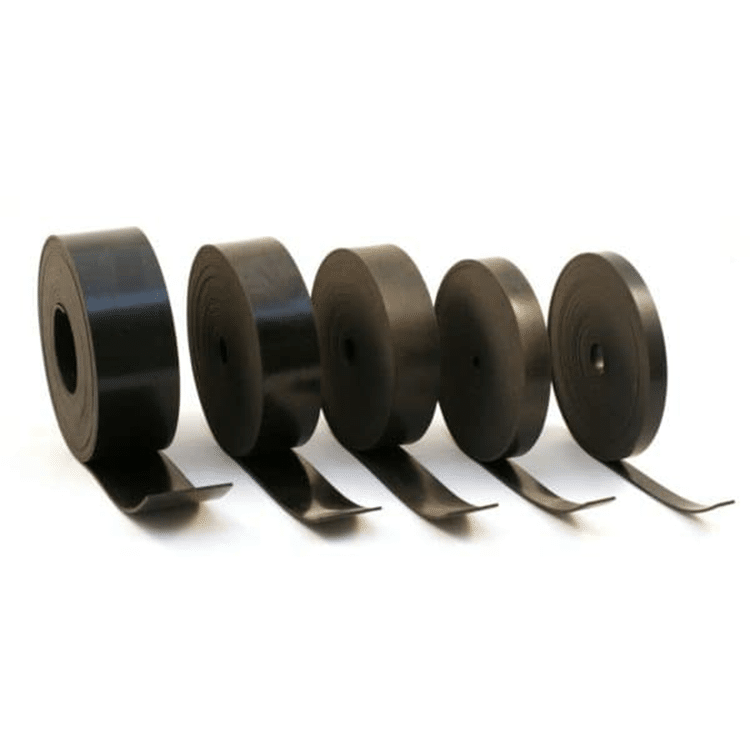
If you need a narrow section rather than a full sheet width, a rubber strip may be a better option. The Metal House stocks solid rubber strips in various sizes and thicknesses for sealing, anti-vibration, anti-chafing and other general uses. Measuring carefully can help reduce waste and ensure you order only the amount you need.
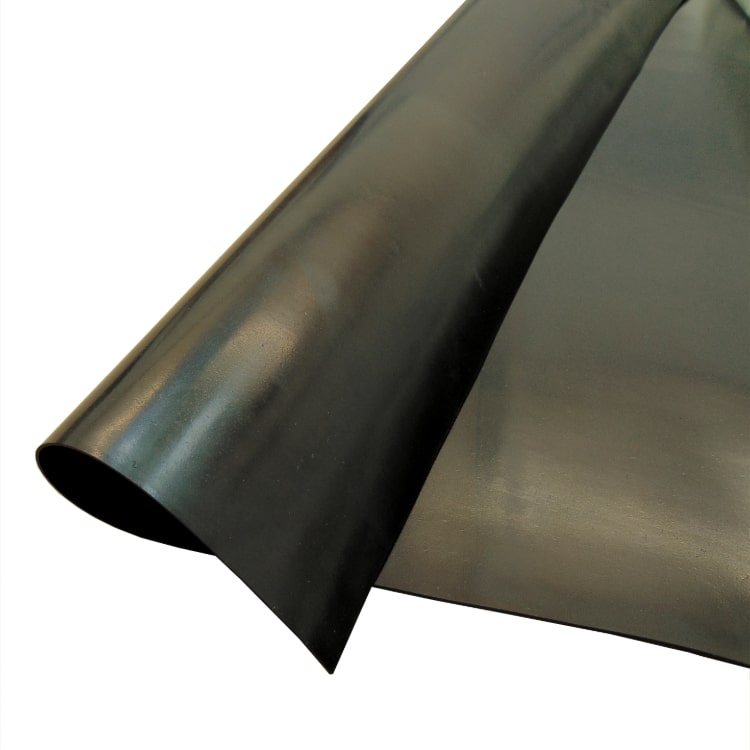
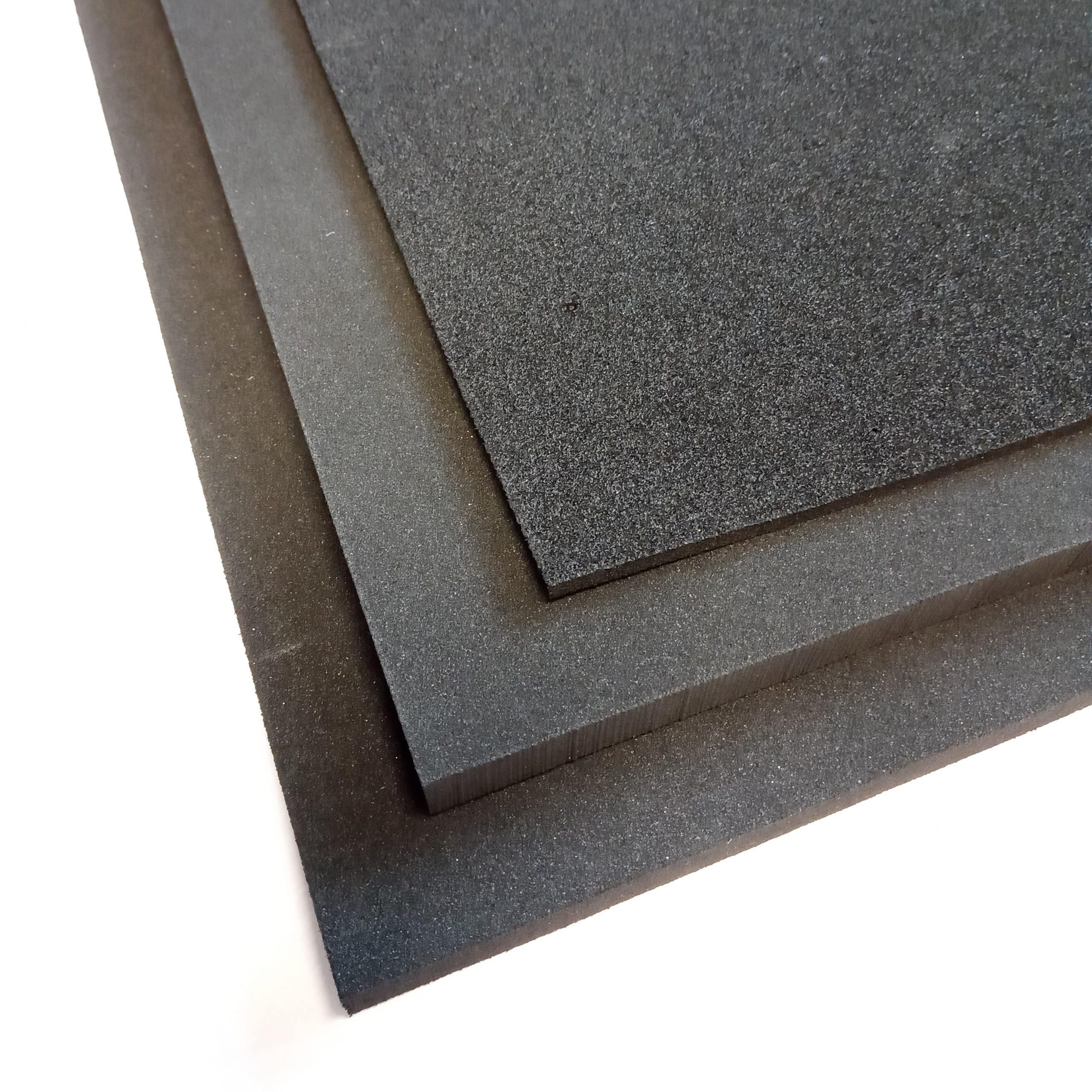
Solid rubber sheet and sponge rubber sheet can both be useful, but they are designed to behave differently and suit different types of application. The right choice will usually depend on whether you need a firm, durable layer or something softer that can compress and fill a gap. Solid rubber sheet is generally better where you need a protective layer, good wear resistance or a material that can be cut into pads and gaskets. Sponge rubber is softer and more compressible, so it can be a better choice where the material needs to cushion, fill a gap or compress to form a seal.
The Metal House also stocks a range of sponge rubber products for applications such as sealing, draught exclusion, noise dampening and anti-vibration. With rubber products, trims, seals, metal sections and other useful components all available in one place, The Metal House offers a convenient one-stop shop for van conversions, vehicle projects, fabrication and general workshop jobs.
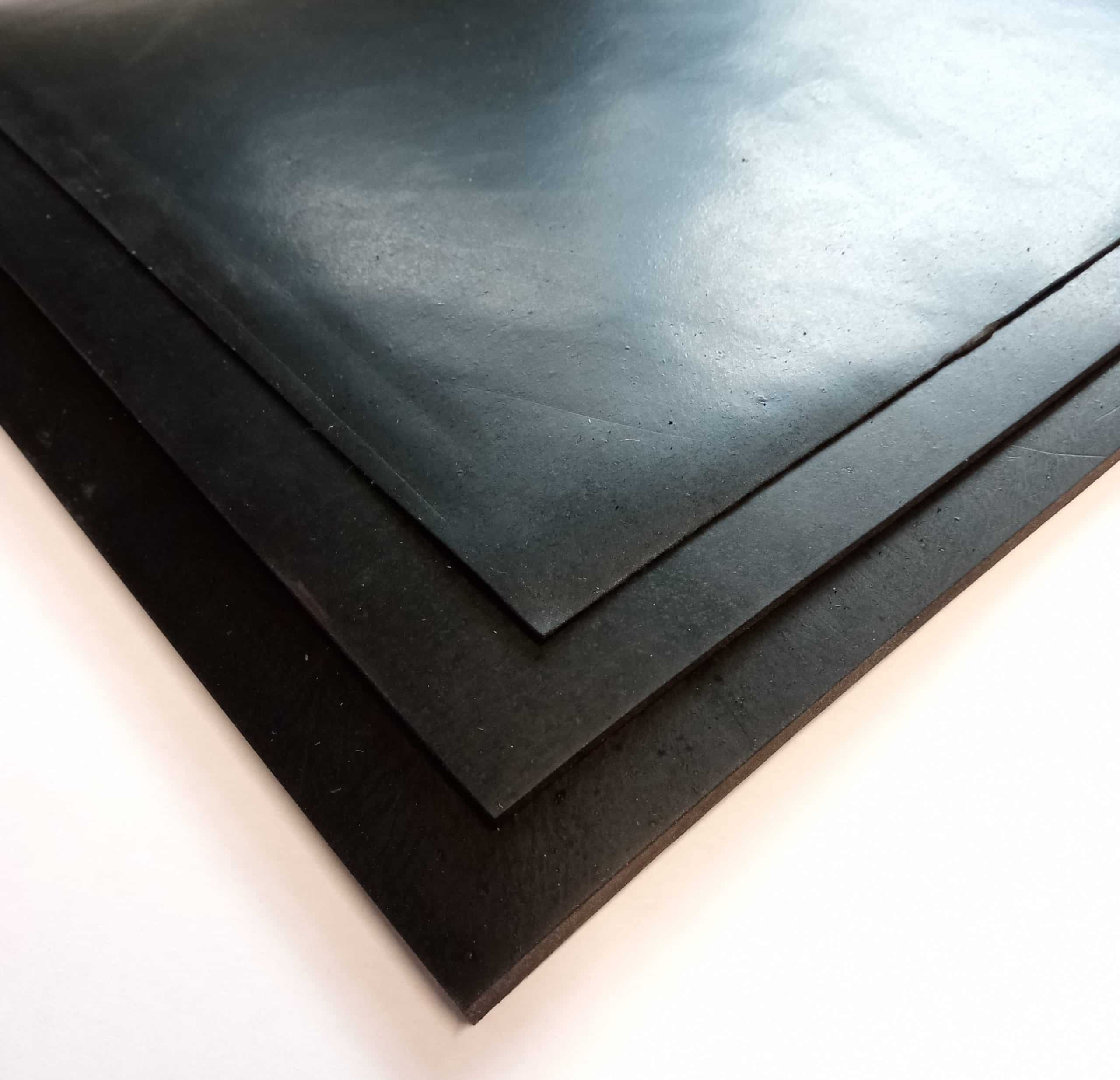
Rubber sheet is a useful option for making simple gaskets and seals, provided the material suits the conditions in which it will be used. Before cutting a gasket, consider the temperature, liquids and chemicals it may come into contact with. For specialist or safety-critical applications, always check the relevant technical specification rather than choosing a sheet based on thickness alone. For general workshop and DIY use, rubber sheet can be cut into custom shapes to suit the job.
The rubber sheet stocked by The Metal House can be cut and shaped using scissors or a suitable knife. For a straight cut, measure carefully and mark the line before cutting. Thicker material may require several controlled passes with a sharp blade rather than trying to cut through the sheet in one movement. For curved or irregular shapes, creating a simple paper or card template first can help reduce mistakes. Always work on a suitable cutting surface and keep the blade away from your hands.
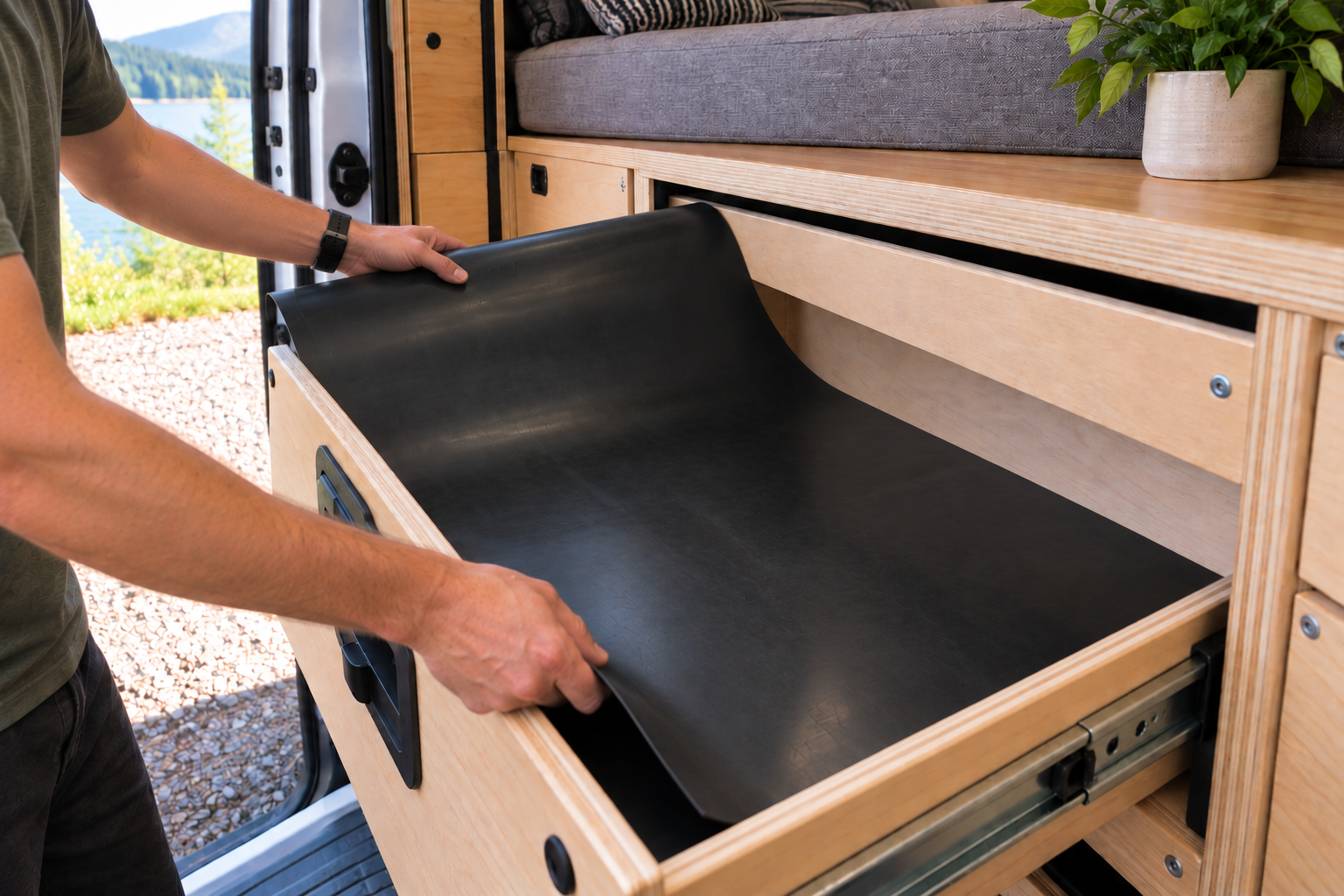
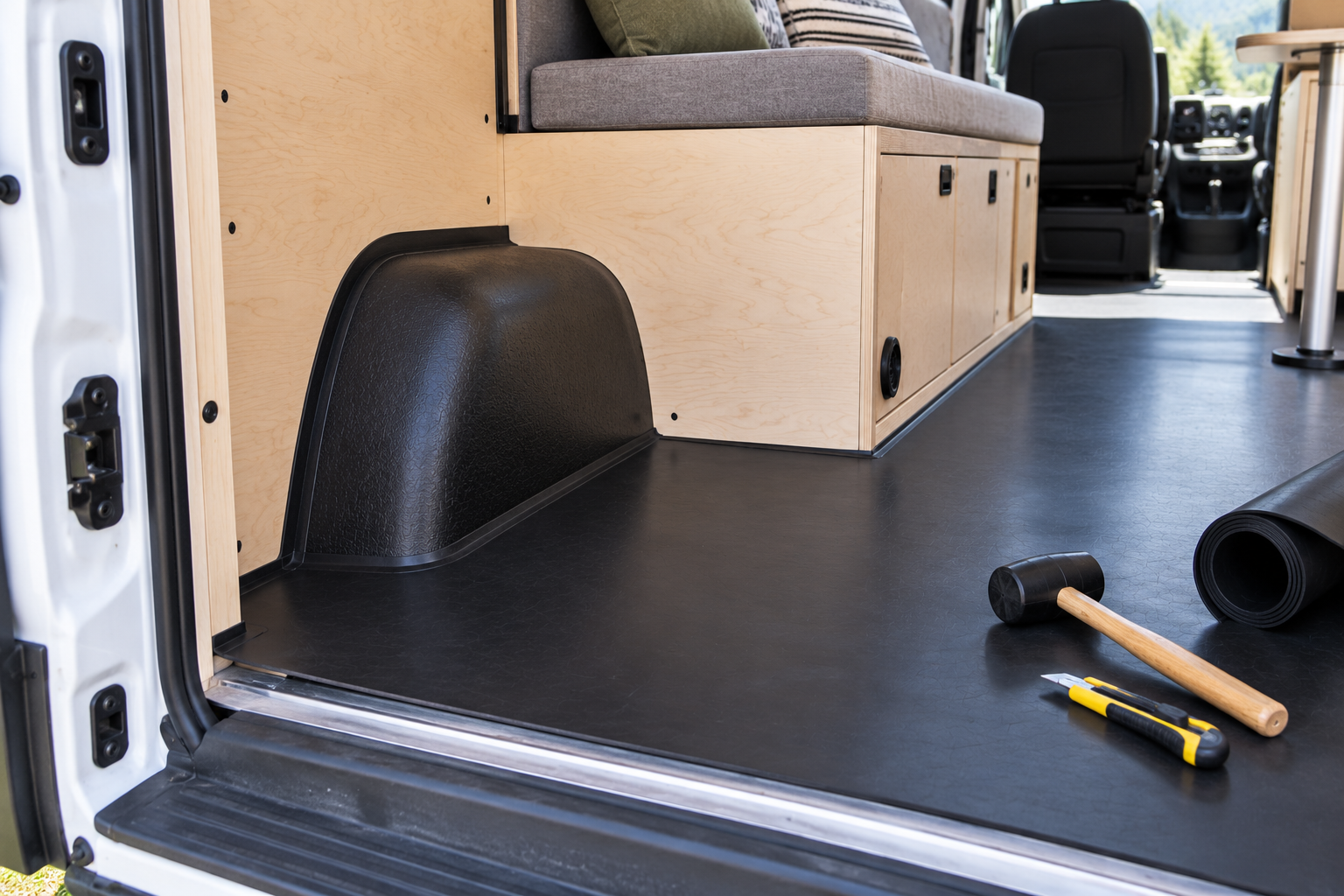
Rubber sheet is particularly useful in vehicle and van conversion projects. It can be used to line storage areas, protect surfaces, separate components and help reduce vibration or rattling. A thinner sheet may be easier to use where space is limited, while a thicker sheet can provide more cushioning beneath equipment or storage boxes. Solid rubber strips and sponge rubber can also be useful alongside sheet material where narrower seals or compressible sections are required.

If rubber sheet is not quite what you are looking for, The Metal House also stocks a range of other rubber products for different applications. In some projects, a shaped, compressible or narrower rubber product may be more suitable than a flat sheet. These include EPDM sponge rubber, rubber cord, edge trims and sealing profiles. EPDM sponge rubber is a good option where a softer, compressible material is needed for sealing, cushioning or reducing draughts, while rubber cord, edge trims and sealing profiles are better suited to applications that need a shaped rubber section.
Thickness is an important part of choosing rubber sheet, but it is also worth considering the wider product specification before ordering. Things such as the material type, sheet width, temperature range and intended application can all help determine whether a particular sheet is suitable for the job. The Metal House provides product details and technical information to help you compare the available options, and where a datasheet is available, it is worth checking for any application-specific requirements.
Choosing the right rubber sheet thickness is mainly about matching the material to the job. A thinner sheet can be a good choice where flexibility is important, while a thicker option may be better when you need more cushioning, vibration reduction or impact protection. The Metal House stocks 1 metre-wide black neoprene rubber sheet in various thicknesses, alongside a wider range of quality rubber products, making it easier to find the right product for your project.
If you are still unsure which thickness is most suitable, give us a call. Our team will be happy to discuss your application and help point you towards the most appropriate option.