Rubber extrusions are used across a wide range of projects, from van conversions and fabrication work to machinery, glazing and general edge protection. With so many shapes, sizes and materials available, choosing the right profile can be difficult. The best option will depend on what you need the extrusion to do, where it will be used and what it needs to fit.
In this guide, we look at some of the most common rubber extrusion applications and explain what to consider before choosing a profile. We also cover materials, sizing and fitting so you can narrow down the right option before you buy.
Rubber extrusions are continuous lengths of rubber made in a particular cross-sectional shape. The rubber extrusion process involves forming a rubber compound through a shaped opening to create a continuous profile. This extrusion process allows rubber sections to be produced in a wide variety of shapes and sizes.
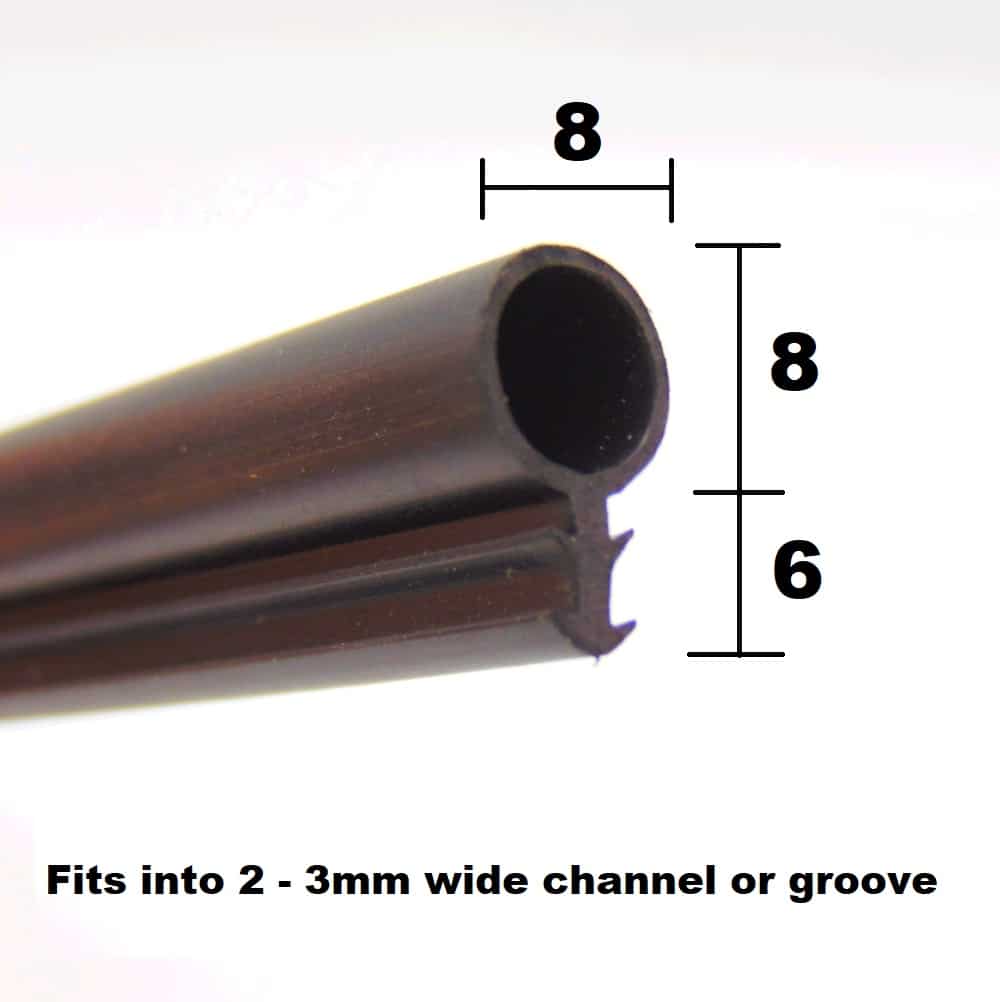
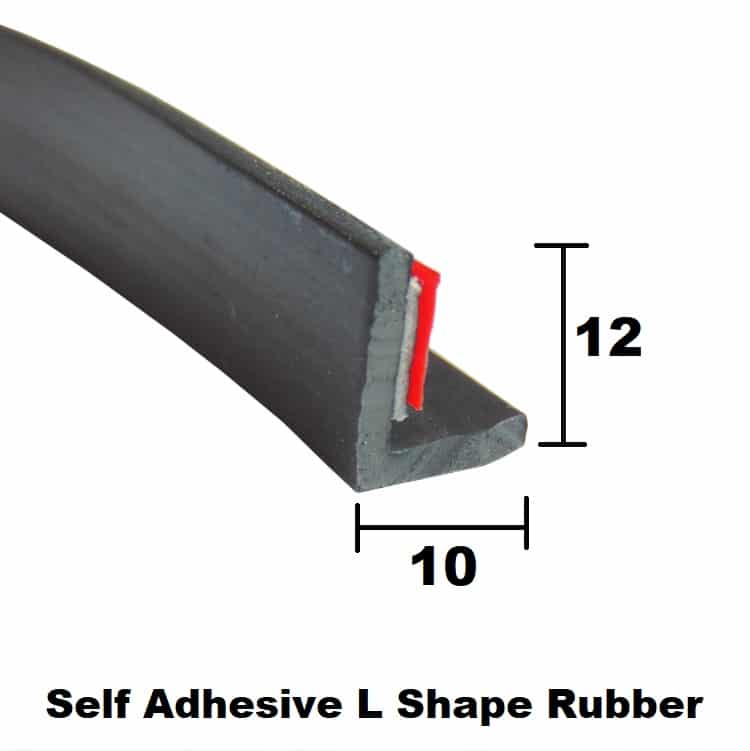
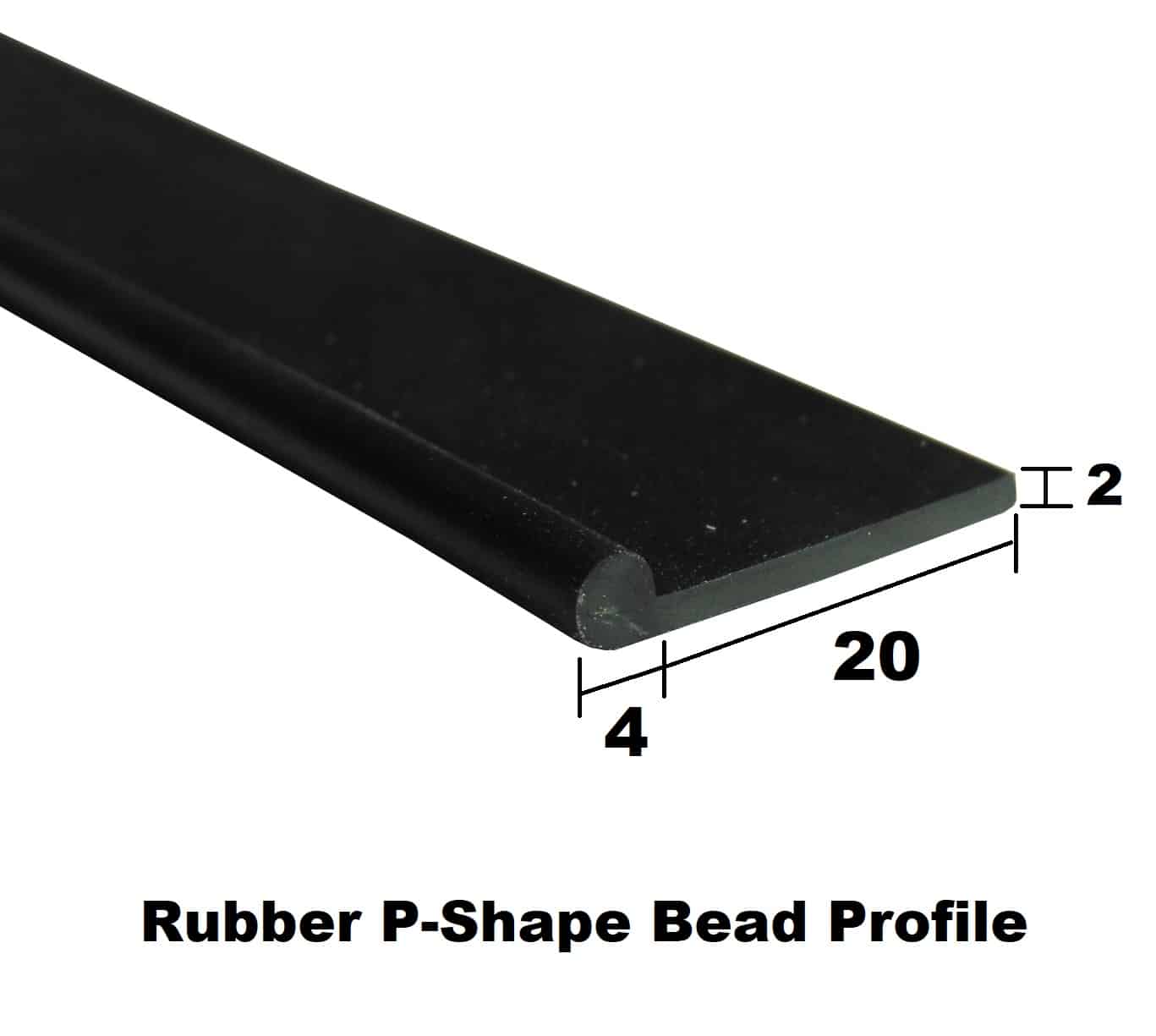
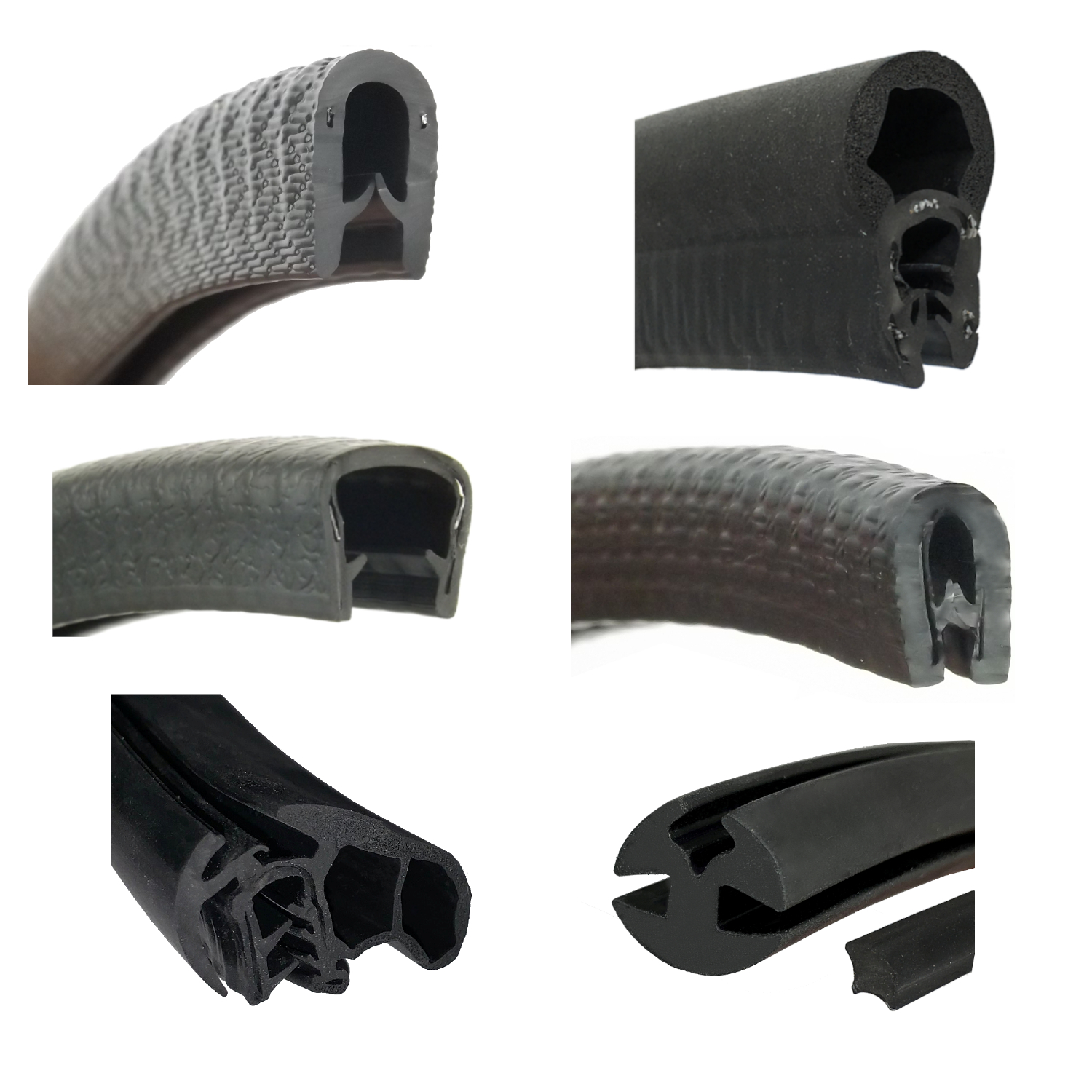
Rubber extrusion profiles can range from simple U-shaped channels and rubber cord to more complex seals for doors, panels and windows. The shape of each profile determines how it can be used. Some rubber sections are designed to cover an exposed edge, while others compress to create a seal.
Different rubber compounds can be used during the manufacturing process. These include EPDM rubber, neoprene, nitrile and silicone. Each material has different characteristics, so it is important to consider both the profile shape and the rubber itself.
One of the main advantages of rubber extrusions is their versatility. Typical applications include protecting exposed metal and panel edges, sealing doors and hatches, reducing draughts and helping to prevent water ingress. They can also provide cushioning, impact protection and a cleaner finished appearance.
Rubber edge trims and U channels are useful where cut metal, plastic or panel edges need to be covered. They can help reduce sharp edges and improve the appearance of the finished product.
Rubber seals can be used around doors, hatches, windows and panels. Sponge sections can provide cushioning, help reduce vibration and fill small gaps.
Rubber extrusions are widely used in van conversions, vehicle restoration, fabrication, machinery and glazing. Before choosing a profile, think about what you need it to do. A product designed for corner protection will be very different from a seal that needs to compress between two surfaces.
Rubber extrusions are available in many shapes and sizes. Some are designed for a specific purpose, while others can be used across a wide range of applications.
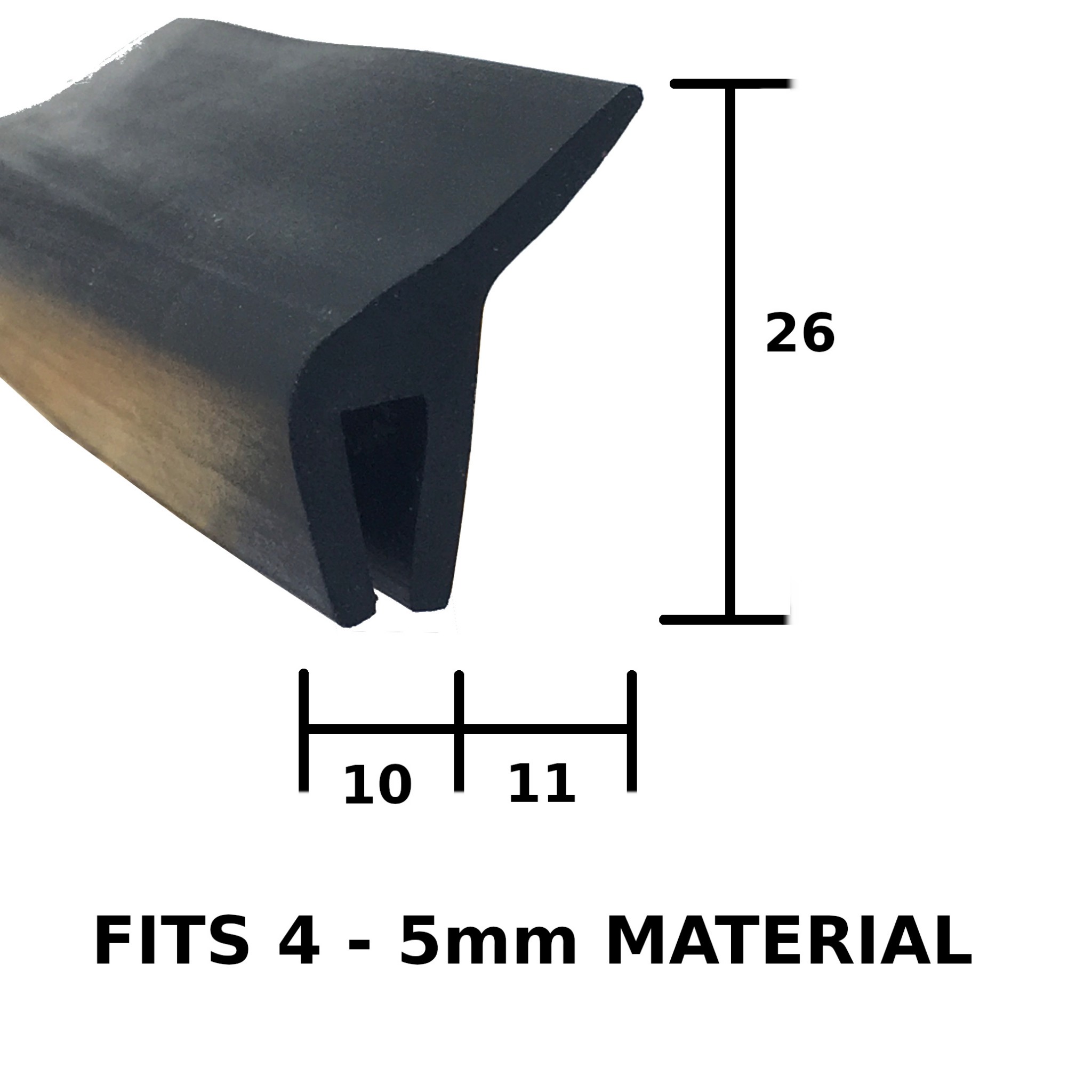
Rubber U channels are designed to fit over an exposed edge. They are commonly used on sheet metal, panels and other materials where extra protection is needed. The U-shaped profile creates a softer outer surface and can give the finished product a neater appearance.
When choosing a rubber U channel, the thickness of the material is one of the most important measurements to consider.
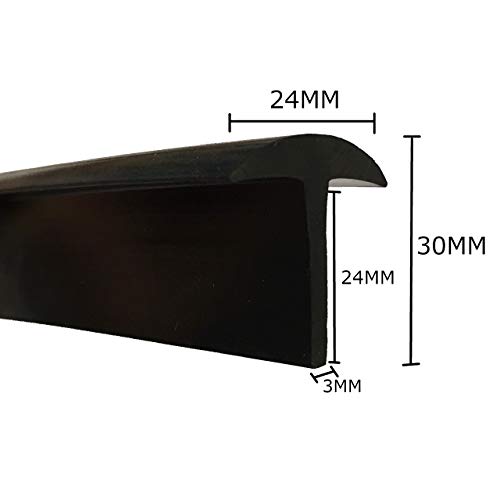
Rubber edge trims are another popular option for protecting exposed metal and plastic edges. They are particularly useful in fabrication work, vehicle projects and van conversions.
An edge trim can provide both practical protection and a cleaner finish. It can also be used as a decorative trim where an exposed cut edge would otherwise look unfinished.
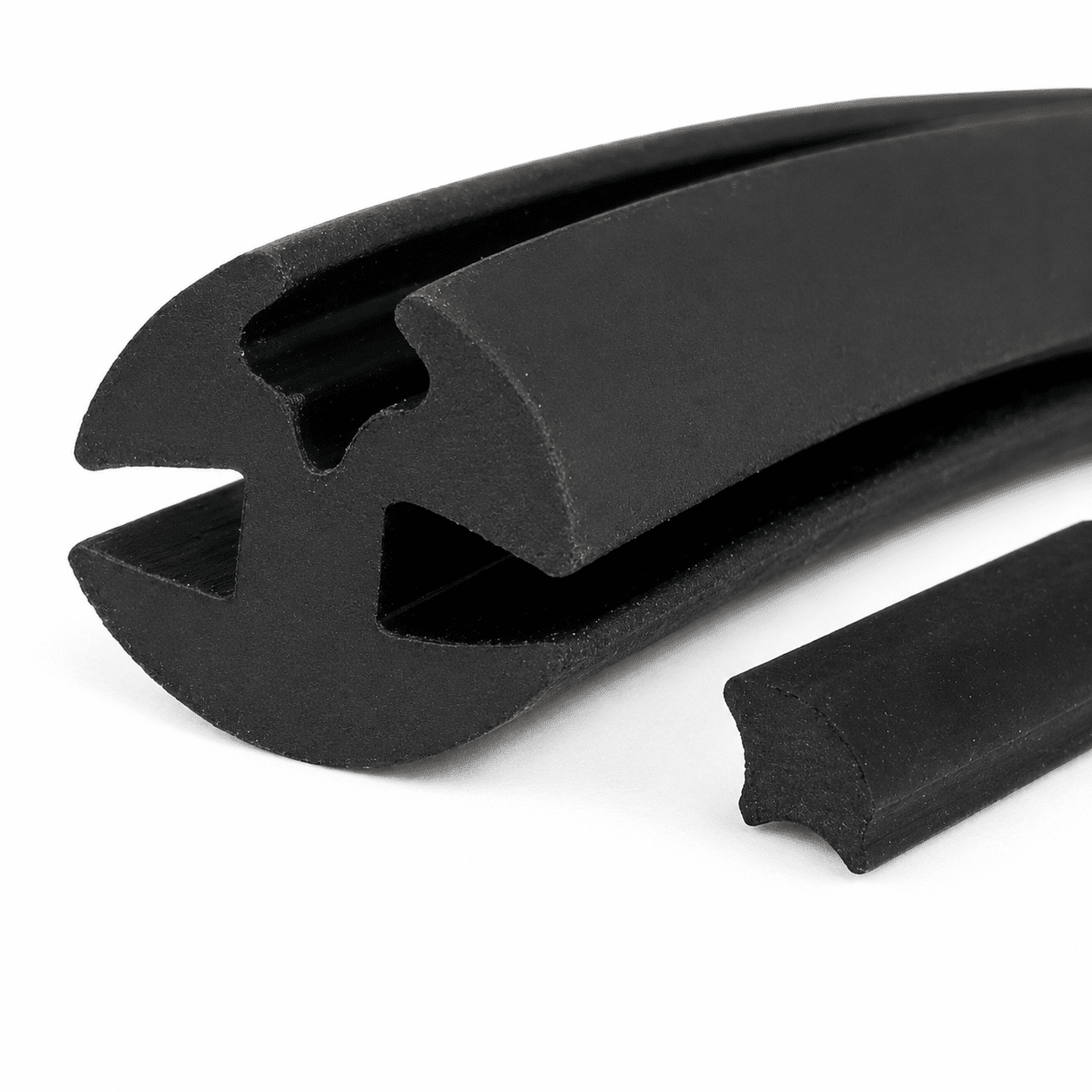
Rubber seals are generally used where two surfaces meet, and a gap needs to be reduced or closed. They can be fitted around doors, panels, windows, storage compartments and other openings.
Some profiles include a flexible section that compresses when a door or hatch is closed. This can help reduce draughts, water, dust and unwanted movement. Depending on the application, they can be used as hatch seals, door seals or window seals.
Not every project requires a standard edge trim or seal. There are many other rubber profiles and sections available for more specialised uses, including solid rubber cord, sponge rubber, rubber sheeting and other shaped sections.
Silicone extrusions are another option where a flexible and durable trim or seal is required. These silicone rubber products can be used for finishing and protecting edges and panels, as well as sealing around glazing and other openings.
When comparing different profiles, look closely at the cross-sectional shape rather than only the overall dimensions. The shape will usually tell you how the extrusion is intended to work.
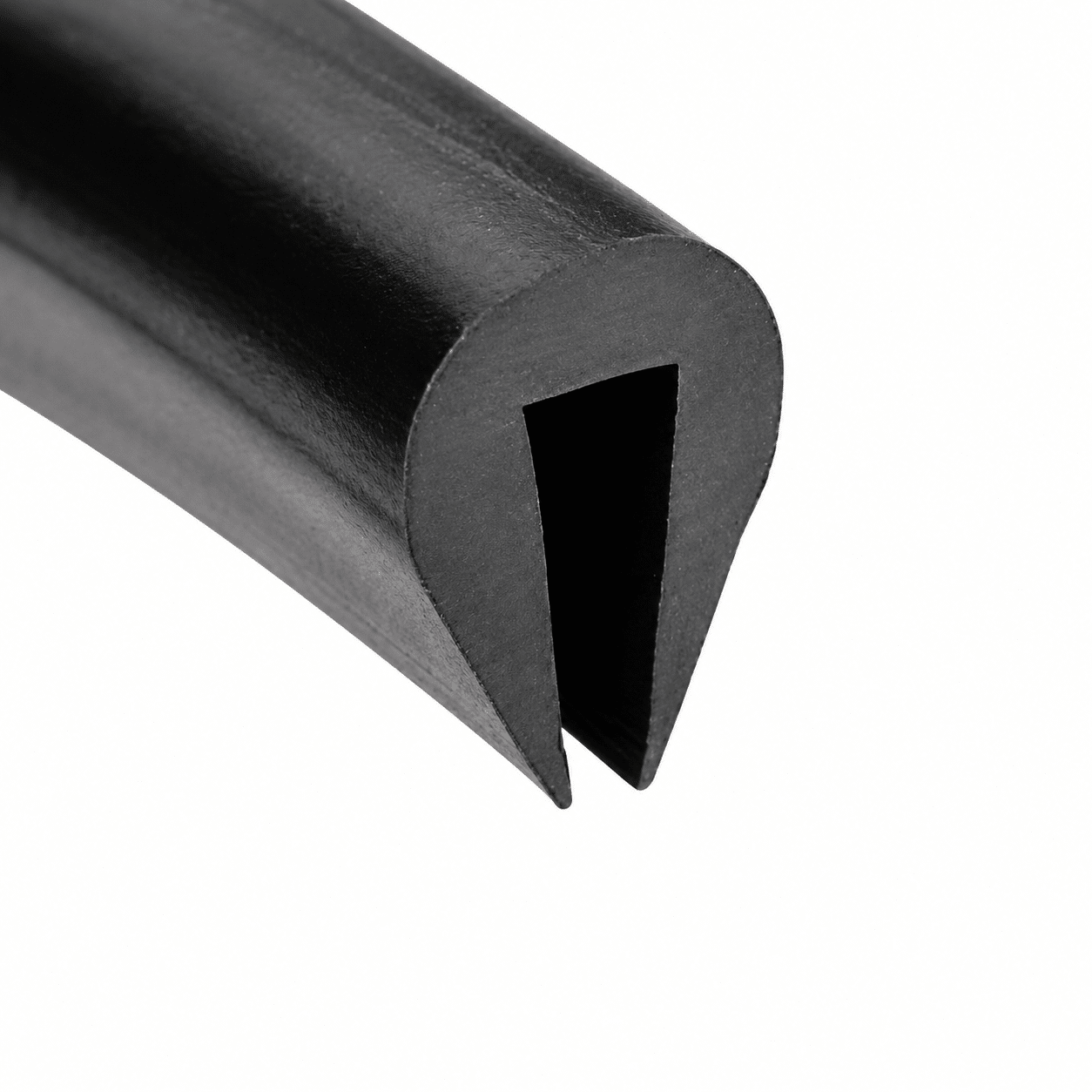
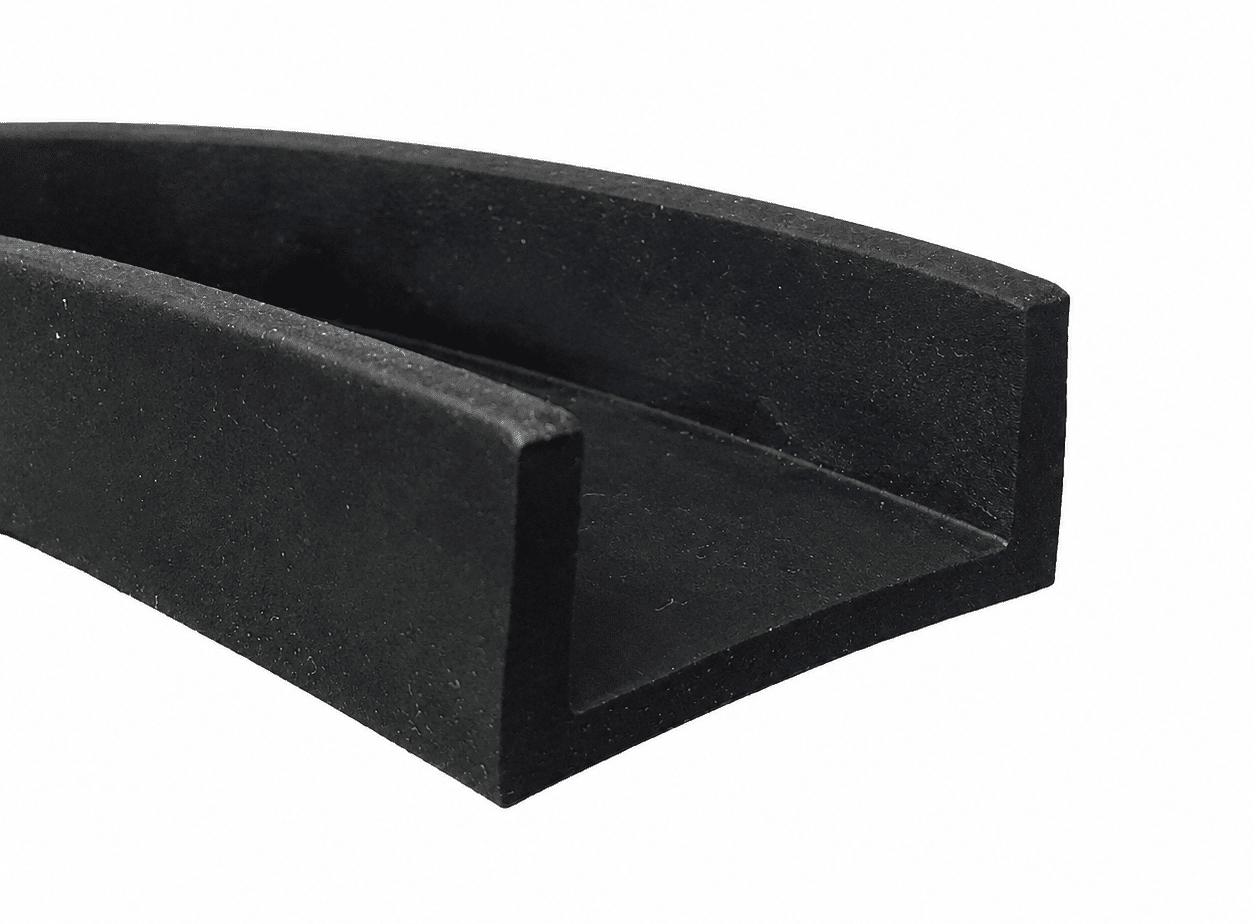
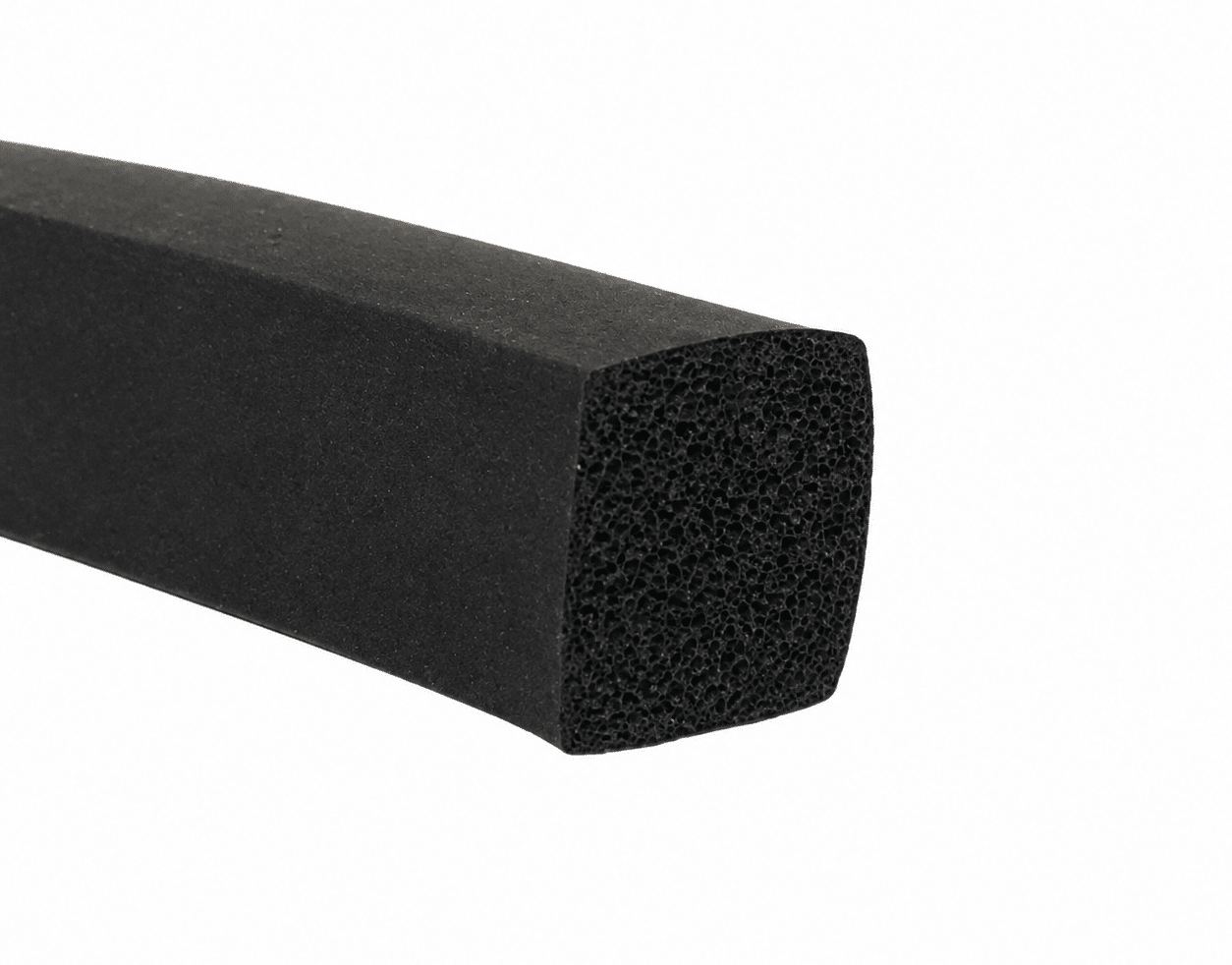
The profile shape is only part of the decision. Different rubber materials have different properties, so the environment in which the extrusion will be used is also important.
EPDM rubber is commonly used for sealing and outdoor applications. It offers good resistance to weathering and is well suited to many vehicle, engineering and general-purpose uses. EPDM can also be supplied in sponge form where flexibility and compression are needed.
Neoprene rubber is another material used for sealing and cushioning. Neoprene sponge can be useful where a softer and more compressible material is required.
Nitrile is often chosen where resistance to oils and fuels is important. Nitrile rubber cord can therefore be useful in a range of sealing and engineering applications.
Silicone rubber is another useful option. Silicone extrusions can offer good flexibility and are available in a variety of trim and sealing profiles. Silicone sponge can also be useful where a soft, compressible seal is required.
Choosing between different rubber materials will depend on the conditions the rubber will face. Consider weather exposure, temperature, contact with oils or chemicals and the amount of compression required.
Once you know which type of rubber extrusion you need, accurate measurement becomes important.
If the profile needs to fit over an edge, measure the thickness of that material and compare it with the recommended fitting range. A trim that is too loose may not grip properly, while one that is too tight can be difficult to fit.
For seals, the size of the gap is often more important. The rubber should make contact with both surfaces without being compressed excessively. Too much compression can make doors or panels harder to close and may shorten the life of the seal.
If the extrusion needs to follow a curved panel or tight corner, choose a profile that can bend comfortably around the required shape.
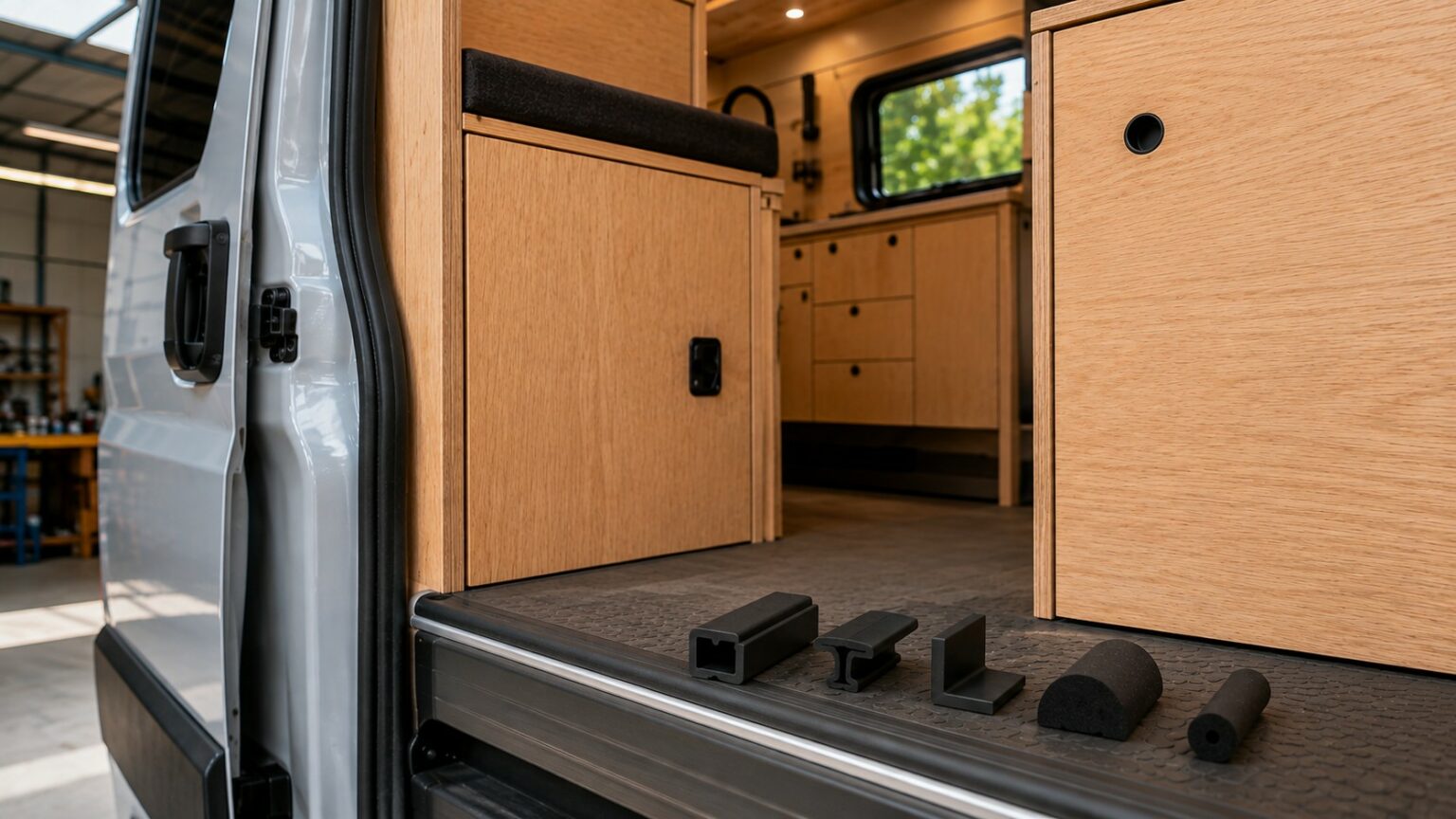
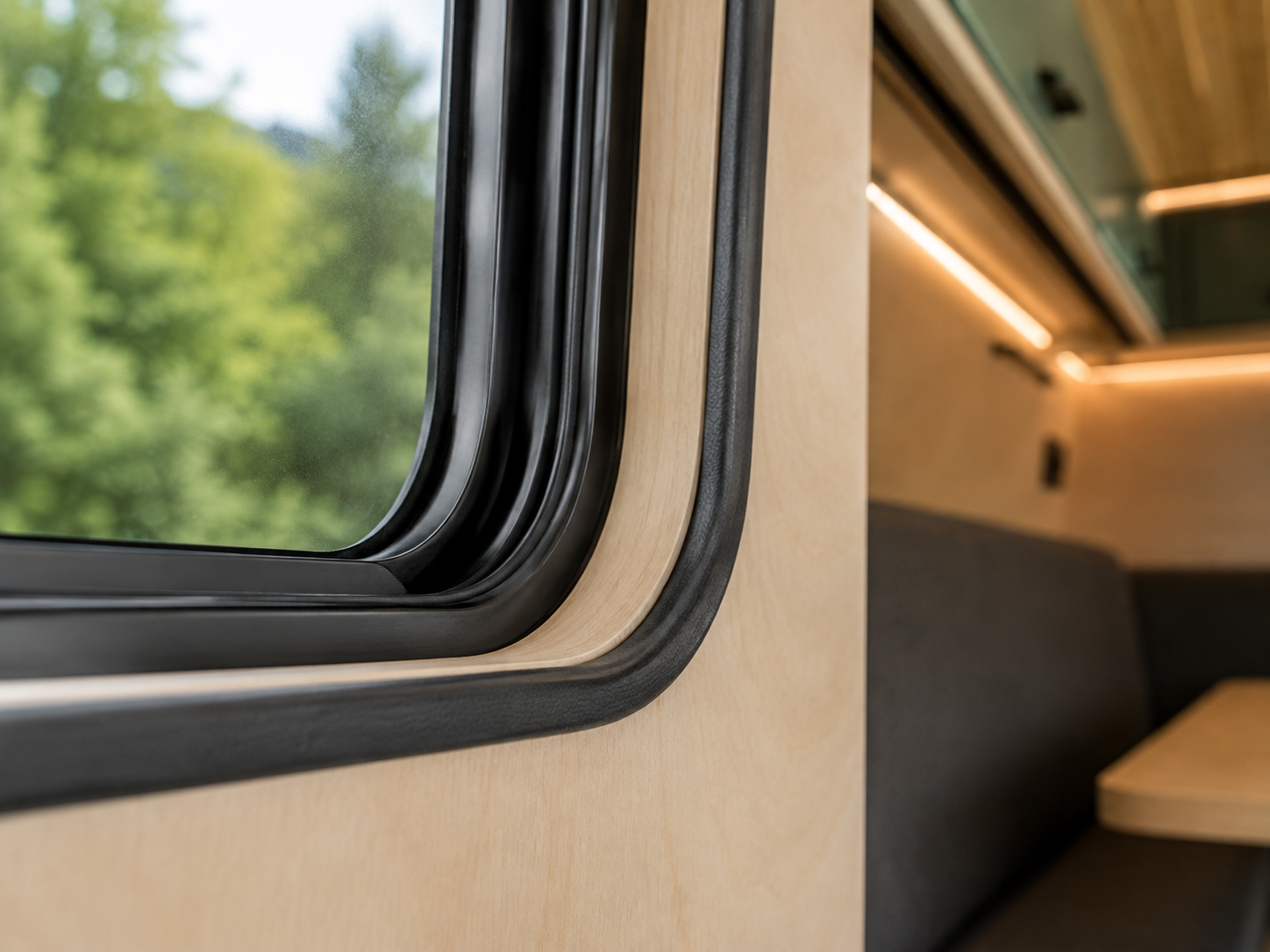
Rubber extrusions are particularly useful for van conversion projects. A conversion often involves cutting metal, installing panels and fitting doors, cupboards and other components. This can leave exposed edges and gaps that need to be protected, sealed or finished.
Rubber edge trims can be fitted over exposed sheet metal and panel edges. This helps reduce sharp edges while giving the conversion a neater appearance.
Rubber seals can be used around doors, storage compartments and other openings to help reduce draughts, rattling and unwanted movement. Sponge rubber can be useful where a softer and more compressible seal is needed. The key is to match the profile to the job. An exposed metal edge may only need a simple U channel or edge trim, while a door or hatch will usually need a profile designed to compress.
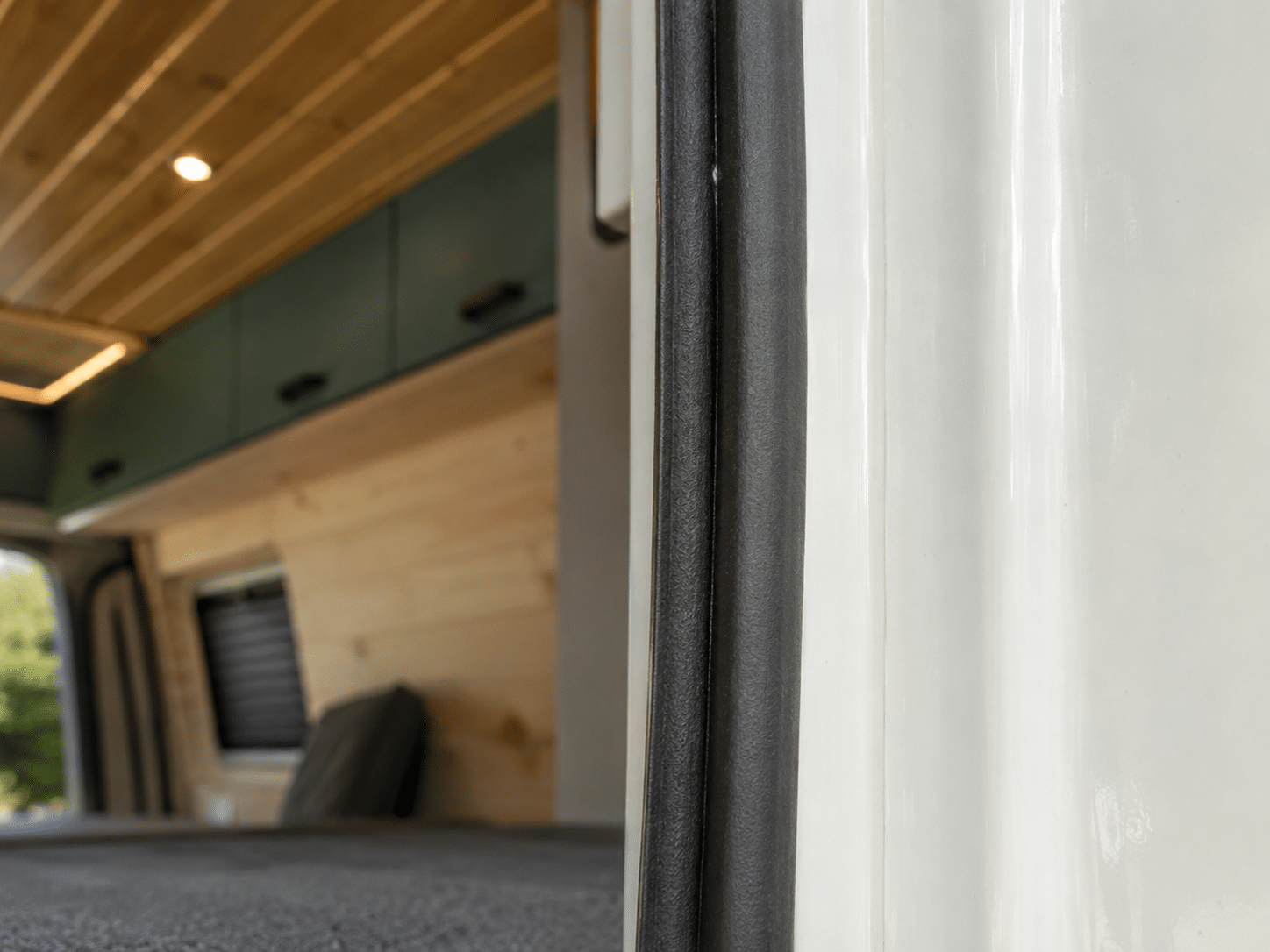

Accurate measuring is one of the easiest ways to avoid choosing the wrong product.
For an edge trim or U channel, measure the thickness of the material it needs to fit over. This helps ensure the profile grips securely without being too tight.
For a seal, measure the gap between the two surfaces in their normal closed position. You should also measure the total length required and take corners or irregular shapes into account. Allowing a small amount of extra length gives you some flexibility when trimming the rubber to size.
The fitting method can also affect which profile is best for your project.
Some rubber extrusions simply push onto an edge. These are often quick to fit and do not always require additional fixings.
Other profiles may have different fitting requirements depending on their shape and application. Always check how the product is designed to be installed before ordering, and make sure there is enough space around the extrusion.
For projects that need additional fixing or sealing, The Metal House also stocks a range of adhesives and sealants for automotive, van conversion and general applications.
Some rubber profiles are more flexible than others. A tight curve may need a smaller or softer section to achieve a neat finish. Planning the installation before ordering can help prevent fitting problems later.
There is no single rubber extrusion that will suit every application. The right choice depends on whether you need sealing, cushioning, edge protection or simply a cleaner finished appearance.
Think about the size of the edge or gap, where the rubber will be used and what it will be exposed to. You should also consider the rubber compound, flexibility and fitting method. Once you know these details, comparing the available rubber sections becomes much easier.
Once you know the profile, material and size you need, browse our range of rubber extrusions to find a suitable option for your project. Our range includes specialist profiles for automotive, DIY, engineering and other applications.
If you can’t find exactly what you’re looking for, or you’re unsure which rubber extrusion is right for your application, give us a call. Our team will be happy to talk through your requirements and help point you towards the most suitable option.